Resume Honesty Crisis: Why Embellished Resumes Backfire
64% of Americans have lied on their resume. Here's what they lied about, how employers catch it, and the honest strategies that work better.
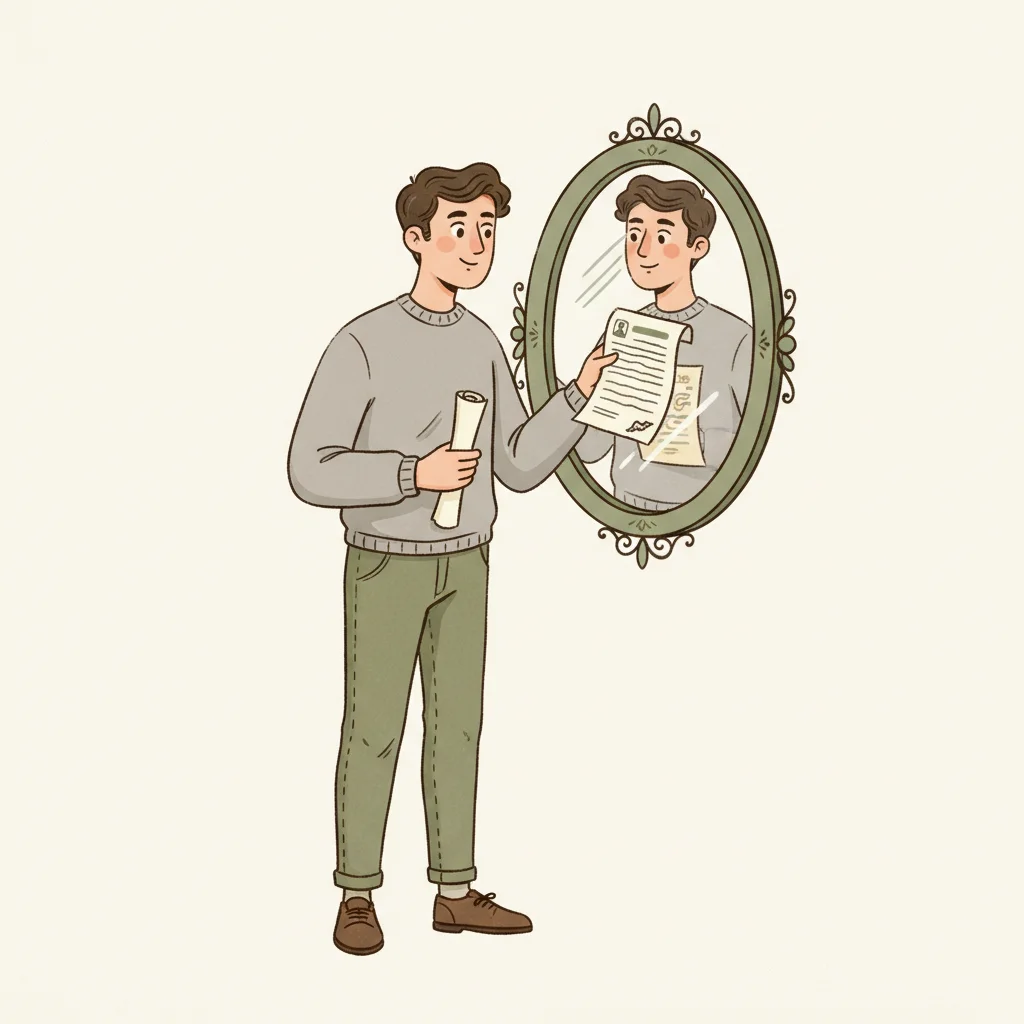
Resume dishonesty isn't a fringe behavior — it's practically an epidemic. A StandOut CV survey of over 2,100 Americans found that 64% have lied on their resume at least once, ranging from inflated job titles to entirely fabricated skills. A 2024 Resume.org survey of over 9,000 job applicants revealed that 63% of those who submitted fraudulent resumes received job offers — and 96% were never caught. Those numbers make lying look like a rational strategy. But the math changes dramatically when you factor in what happens to the 4% who do get caught, the compounding career risk of being outed years later, and the psychological cost of performing in a role you misrepresented yourself into. This guide maps the full landscape: what people lie about, what employers actually check, the real consequences of getting caught, and — most importantly — the honest alternatives that work just as well.
The Dishonesty Landscape: Key Numbers
of Americans have lied on their resume at least once
Source: Resume.org Career Survey 2024
got offers despite lying
Resume.org
of employers screen resumes
LinkedIn Talent Solutions
would lie again if needed
CareerBuilder
never caught lying
Resume.org
These numbers create a dangerous illusion: that lying is low-risk and high-reward. But the 96% "never caught" figure doesn't account for the slow burn of working in a role that requires skills you don't have, the constant anxiety of potential exposure, or the career-ending consequences if the truth surfaces months or years later.
What People Lie About: The Most Common Resume Fabrications
Prevalence of Resume Lies (Resume.org 2024 Survey)
Source: Resume.org Career Honesty Report 2024
The Gray Area: Optimization vs. Fabrication
Not all resume embellishment is equal. There's a meaningful difference between strategic framing and outright fabrication — and knowing where the line falls can save your career.
- •Choosing relevant skills to highlight over others
- •Formatting dates as "Year–Year" for clarity
- •Adding context to job titles (e.g., "Project Lead" instead of "Individual Contributor")
- •Using strong action verbs to frame achievements
- •Exaggerating your impact on group projects
- •Listing minor skills as expertise-level
- •Using job titles you didn't officially hold
- •Stretching dates forward/backward by 1-2 months
- •Creating fake jobs that never existed
- •Lying about your degree or GPA
- •Falsifying references or adding fake people
- •Claiming years of experience you didn't have
The line between optimization and fabrication is simple: Can you defend every claim on your resume in a detailed interview? If you'd need to dodge, deflect, or invent context to explain a bullet point, it's crossed the line.
What Actually Happens When You Get Caught
Offer Rescinded
Caught during background check or reference verification. The offer is pulled within hours. You're blacklisted at that company.
Termination for Cause
Discovered during your first weeks or months on the job. You're fired, lose benefits, and lack a reference for future roles.
Reputation Destruction
Word spreads in your industry or on platforms like Glassdoor. Hiring managers become cautious. LinkedIn profile scrutinized. Years of recovery.
Legal Consequences
Fraud charges if your lie directly affected hiring decisions or involved forged credentials. Background checks might show charges, blocking future opportunities.
How Employers Actually Detect Resume Lies
Background Check Services
Third-party companies verify employment dates, job titles, and reasons for departure. Cross-reference with employer records.
Reference Calls
Recruiters call listed references to confirm roles, responsibilities, and performance. Fake references are immediately obvious.
Technical Interviews
Coding challenges, design exercises, or skill tests reveal if you truly have the competencies you claimed on your resume.
LinkedIn Cross-Referencing
Hiring managers compare your resume timeline, job titles, and experience against your LinkedIn profile for consistency.
Education Verification
Employers contact schools to confirm your degree, graduation date, GPA, and any honors or credentials claimed.
Behavioral Interview Questions
Interviewers ask detailed questions about specific projects. Fictional stories unravel when pressed for details.
The Honest Alternative: Strategies That Work Without Lying
The impulse to lie usually comes from a real gap between your experience and the job requirements. The good news: there are legitimate strategies for closing that gap without fabrication.
Tailored Framing
Instead of: Making up skills you don't have
Focus your resume on real skills that align with the job posting. Reorder bullet points to emphasize what matters to the hiring manager.
Strategic Skill Positioning
Instead of: Lying about AI/ML experience
List tools you've actually learned or explored. Be honest about your experience level while showing growth trajectory.
Achievement Reframing
Instead of: Exaggerating your impact
Use "Contributed to" instead of "Led" when appropriate. Quantify real contributions with actual metrics.
Gap Bridging
Instead of: Faking experience years
Show relevant learning, certifications, projects, or freelance work that bridge skills gaps honestly.
Frequently Asked Questions
Our AI tailoring tool rewrites your resume bullet points to match the employer's language — using only your real experience. Zero fabrication is enforced: the AI cannot invent skills, inflate numbers, or add technologies you haven't used. Change tracking shows exactly what was modified and why, so you stay in full control. The result is a resume that speaks the employer's language without crossing any honesty lines.
Resume Honesty Audit
The Truth Check: Resume Honesty Audit
- Job titles match what your employer can verify
- Employment dates are accurate (no gaps fudged)
- Skills claimed are ones you can demonstrate
- Metrics and achievements backed up by real examples
- Education and degrees listed match school records
- LinkedIn profile matches resume timeline and roles
- Clearly distinguish team contributions vs individual
- Certifications are current and not expired
If all items are checked, your resume is defensible and you can confidently answer any background check or interview question about your experience.
Related GetNewResume Guides
What Happens When You Lie on Your Resume
Real consequences and data behind resume fabrication.
How to Tailor Your Resume for Each Job
The honest alternative: match your real experience to each posting.
Resume Writing Bullet Points
How to write powerful bullet points using real achievements.
How to Quantify Resume Achievements
Turn your actual results into compelling, measurable bullet points.
Sources & References
Ready to stop sending the same resume everywhere? Get New Resume uses AI to tailor your real experience to any job description — with full change tracking so you always know what was adjusted and why. No fabrication. Just translation.
More articles
How to Write a Resume After Being Fired (2026 Guide)
Being fired doesn't belong on your resume. The three-document rule — plus the exact neutral phrasing that gets you past application forms.
When Your Resume Is Better Than You Think: The Imposter Syndrome Audit
75% of executive women experience imposter syndrome — and it shows up in resumes as understated bullets. Audit yours to find every undersold line.
How to Handle a Demotion on Your Resume (Without Raising Red Flags)
14% of professionals have been demoted. 5 strategies to present a title change without raising red flags.
Want to go deeper?
Browse all articles